Evolution of Incentive Models Linking Casino Portals with Strategy Game Communities
Noah Hansen · Jul 1, 2026
Evolution of Incentive Models Linking Casino Portals with Strategy Game Communities
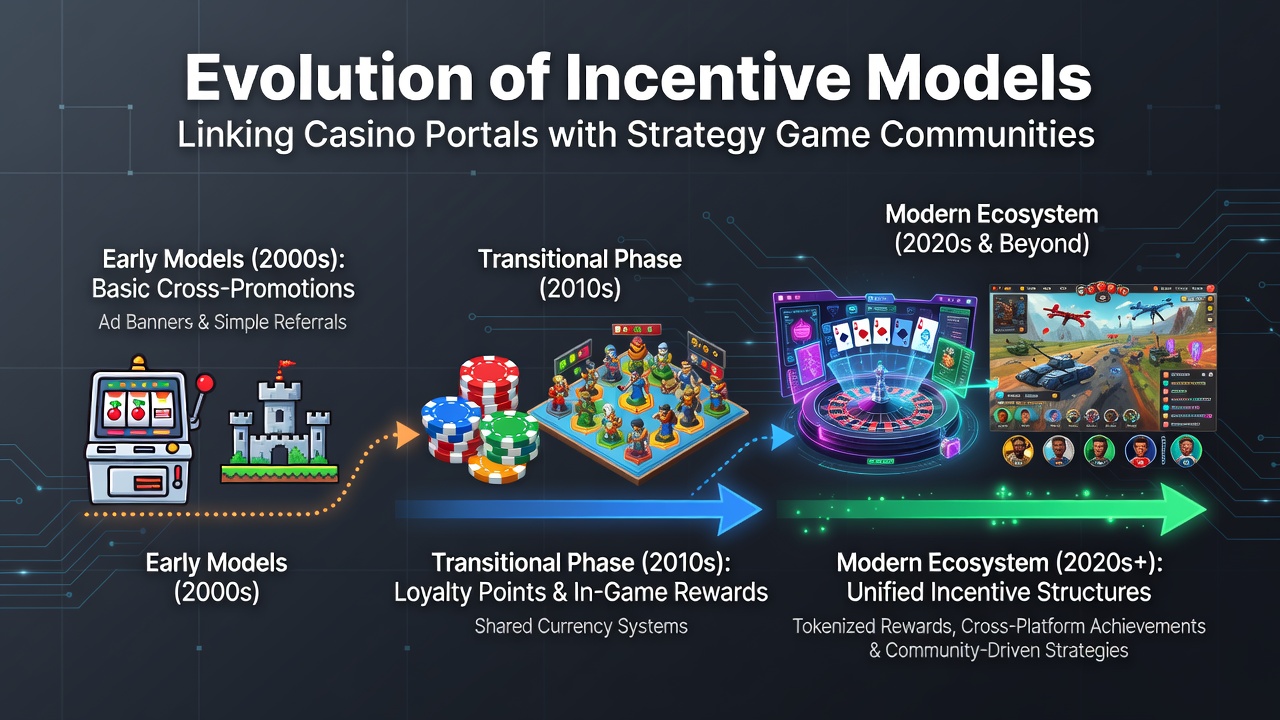
Strategy game communities have long operated alongside casino portals yet the connections between these spaces remained limited until incentive models began to shift in measurable ways, and data from industry reports shows that early affiliate programs in the 2000s focused on simple revenue shares while later structures incorporated community engagement metrics such as tournament participation and skill progression tracking.
Early Foundations in Affiliate Structures
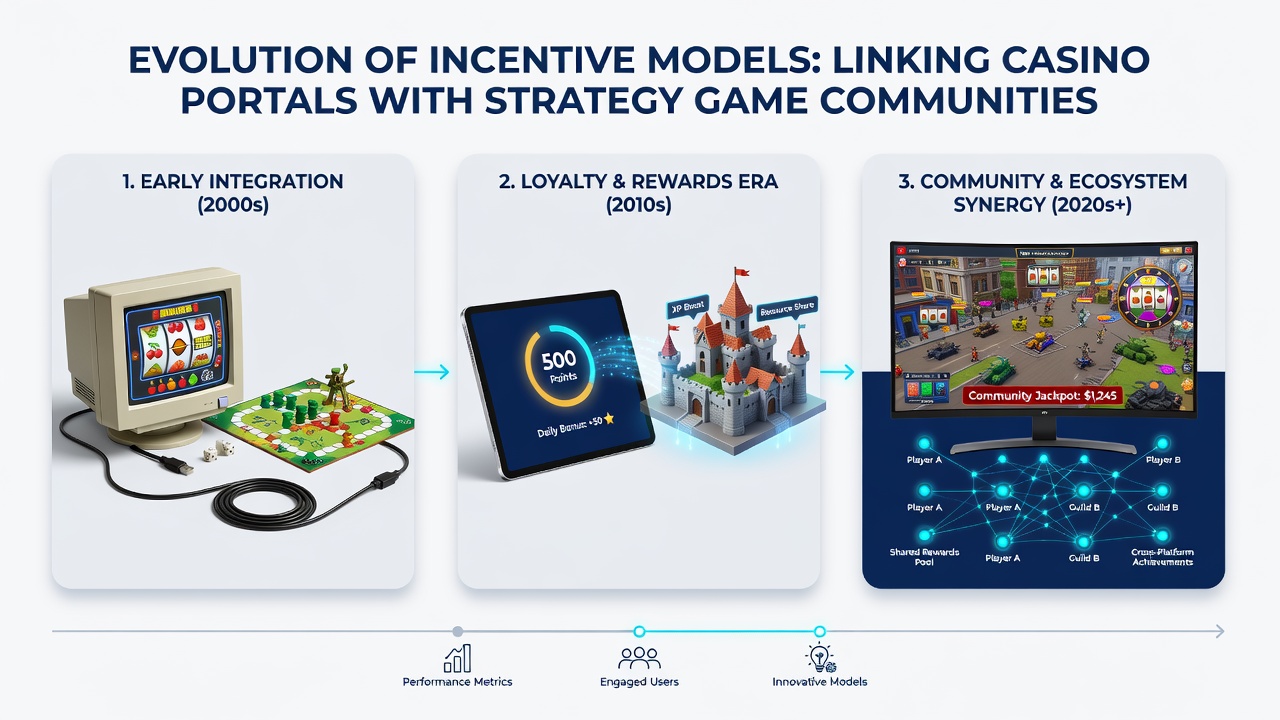
Initial models relied on straightforward commission payouts tied to player deposits and those systems worked well for broad traffic but offered little integration with the competitive aspects of strategy games like chess variants or turn-based simulations, whereas researchers at academic institutions noted that by the mid-2010s several portals started layering loyalty points onto community milestones including leaderboard rankings and collaborative challenges.
Government data from regulatory bodies in Canada indicates that cross-platform tracking tools emerged around this period allowing portals to reward consistent play across both casino interfaces and external strategy forums without violating jurisdictional rules on skill versus chance distinctions.
Expansion Through Community Integration
By the early 2020s incentive designs incorporated API connections between casino accounts and strategy game servers which enabled real-time bonus triggers based on performance in community events and one study from an Australian research center revealed that these linkages increased retention rates when participants received tiered rewards for advancing through ranked matches that mirrored casino progression systems.
Observers note that European trade associations documented similar patterns where portals partnered wth developer networks to create shared leaderboards and this approach reduced fragmentation between casual casino users and dedicated strategy players while maintaining compliance with regional advertising standards.
What's interesting is how these models adapted during periods of regulatory change when new frameworks in multiple jurisdictions required clearer separation of promotional mechanics from core gambling activities and portals responded by shifting emphasis toward educational content within strategy communities such as strategy guides that carried small incentive bonuses upon completion.
Recent Developments and Data Trends
Figures released in July 2026 from a North American gaming research group highlight continued refinement with hybrid reward pools that combine casino credits and strategy game currency in single ecosystems and these pools often draw from pooled contributions across multiple portals which allows smaller communities to access scaled incentives previously reserved for large networks.
Industry organizations based in Asia have tracked parallel growth where localized strategy titles receive dedicated portal support through region-specific challenges and the data shows measurable upticks in cross-participation when incentives include both monetary and non-monetary elements such as exclusive community badges or access to private tournaments.
Technical and Compliance Adaptations
Developments in tracking software have supported these changes by enabling granular measurement of user journeys across platforms while regulatory updates in several markets now require transparent disclosure of how incentive eligibility connects casino activity with strategy game achievements and portals have implemented audit trails to meet those standards without disrupting community flow.
Experts have observed that successful models often use progressive unlocking mechanisms where initial low-threshold rewards introduce users to combined ecosystems and higher tiers demand sustained engagement across both domains which creates natural pathways for deeper involvement over time.
Conclusion
The evolution of these incentive models continues to reflect broader shifts in how digital entertainment spaces overlap and available evidence points to sustained experimentation with reward structures that respect both the competitive nature of strategy communities and the operational requirements of casino portals. Future adjustments will likely build on current frameworks while incorporating new compliance tools and data analytics to maintain balanced participation across regions.