Evolving Incentive Structures Across Skill-Oriented Platforms and Betting Exchanges
Jonas Schwarz · Jun 10, 2026
Evolving Incentive Structures Across Skill-Oriented Platforms and Betting Exchanges
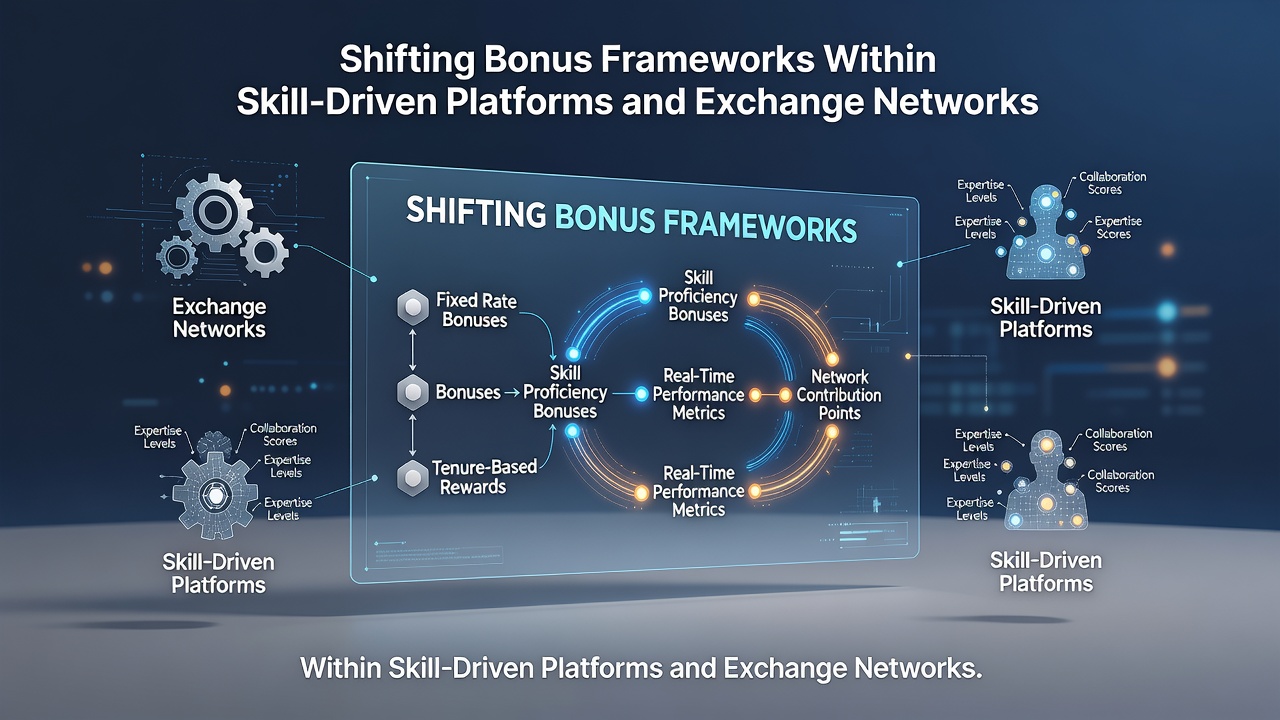
Skill-driven platforms and exchange networks have seen measurable adjustments in how they structure player incentives over recent years, with many operators moving away from flat-rate sign-up rewards toward performance-linked frameworks that account for user proficiency levels and trading volume. Data from industry reports indicate these modifications emerged as platforms sought to balance acquisition costs against long-term retention metrics, particularly in environments where outcomes depend more on individual ability than random chance.
Observers note that traditional deposit-match bonuses often failed to align with the operational realities of skill-focused sites, where repeat engagement correlates strongly with demonstrated expertise rather than initial funding amounts. In response, several networks introduced tiered reward systems that recalibrate based on win rates, head-to-head results, and participation frequency within exchange marketplaces.
Key Drivers Behind Framework Adjustments
Regulatory developments across multiple jurisdictions have influenced these changes, with agencies such as the Nevada Gaming Control Board publishing updated compliance guidelines that emphasize transparent bonus terms tied to verifiable skill indicators. At the same time, platform operators observed through internal analytics that players who received unconditional rewards showed lower lifetime value compared to those whose incentives scaled with activity levels.
Market competition also played a role, as exchange networks expanded their offerings to include more diverse skill-based matchups. Figures from the European Gaming and Betting Association reveal a 22 percent increase in active users on such platforms between 2023 and 2025, prompting companies to refine bonus allocation methods to prevent dilution of rewards across large user bases.
Implementation in Skill-Based Environments
Many poker and strategy game networks now deploy bonus credits that unlock progressively after users achieve specific performance thresholds, such as maintaining a positive return over a defined number of sessions. This approach replaces earlier models that awarded fixed sums upon registration, instead distributing value through milestone-based releases that reflect actual engagement patterns.
One study from the University of Nevada's International Gaming Institute tracked user behavior across multiple skill platforms and found that performance-adjusted incentives correlated with a 15 percent rise in session duration among participants who qualified for tier upgrades. Such findings have encouraged additional operators to integrate similar mechanics, including leaderboard-driven rewards that adjust dynamically within exchange environments.
Changes Observed in Exchange Network Operations
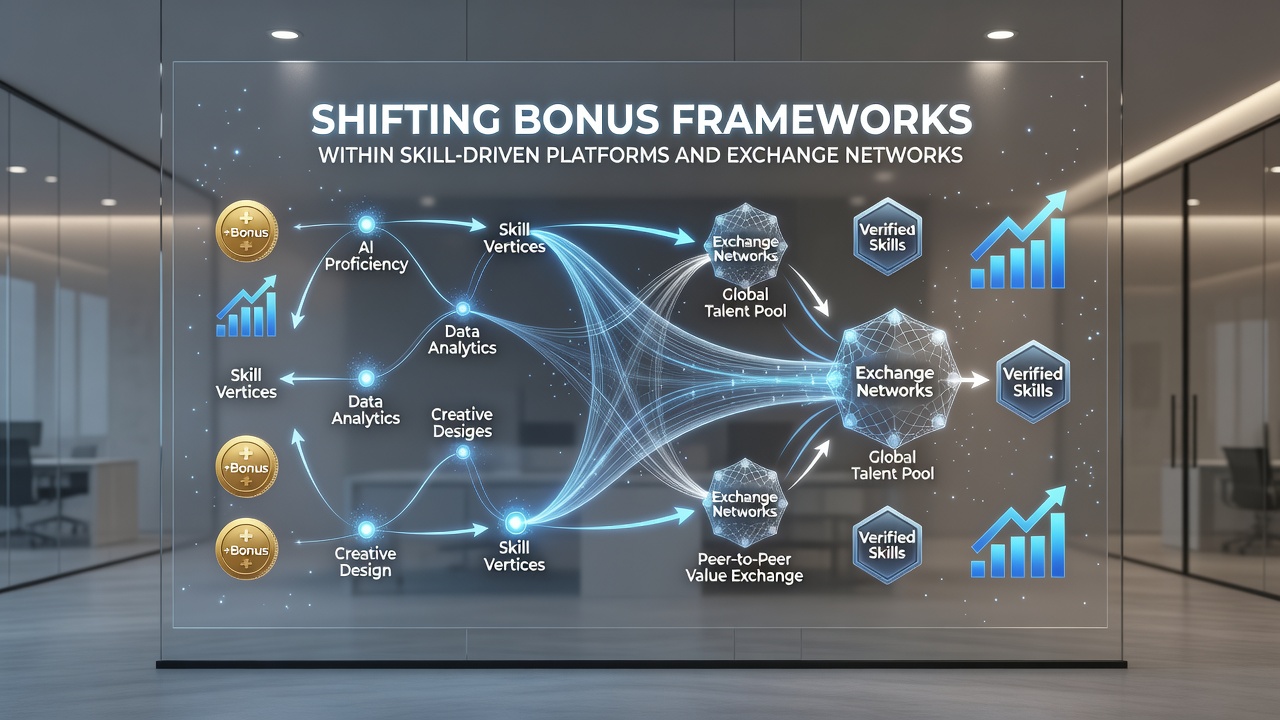
Betting exchanges have adapted their promotional structures to accommodate fluctuating market liquidity, shifting emphasis from broad welcome packages toward volume-based rebates and fee reductions that scale with trading activity. These modifications allow networks to reward consistent participants without inflating bonus liabilities during periods of lower overall volume.
According to reports compiled by the Australian Communications and Media Authority, exchange operators in that region recorded higher user retention rates after introducing activity-linked incentives in early 2025. The adjustments included partial commission refunds triggered once users reached defined monthly trading targets, creating a framework that responds directly to individual contribution levels rather than one-time deposits.
Regional Variations and Data Trends Through Mid-2026
Platforms operating in North American markets have incorporated additional verification layers into their bonus systems, requiring users to complete skill-verification challenges before accessing enhanced reward tiers. This contrasts with approaches seen in parts of Asia, where networks prioritize rapid reward distribution tied to initial match performance to accelerate user onboarding.
Statistics released in June 2026 by several exchange operators showed that hybrid models combining fixed entry bonuses with conditional performance uplifts produced the strongest retention curves across both skill-game verticals and pure exchange environments. These models distribute smaller guaranteed amounts upfront while reserving larger allocations for users who demonstrate sustained proficiency over multiple cycles.
Conclusion
Bonus frameworks within skill-driven platforms and exchange networks continue to evolve in response to regulatory guidance, user behavior data, and competitive pressures. The transition toward performance-linked incentives reflects broader efforts to align rewards with actual participation and proficiency metrics, resulting in structures that distribute value more selectively across diverse user segments. As platforms refine these systems further, the emphasis remains on measurable activity indicators that support sustainable engagement patterns in both skill-based and exchange-driven contexts.