Player Habits and Reward Dynamics in Mixed Gaming Across International Platforms
Tina Schmid · Jun 5, 2026

Player Habits and Reward Dynamics in Mixed Gaming Across International Platforms
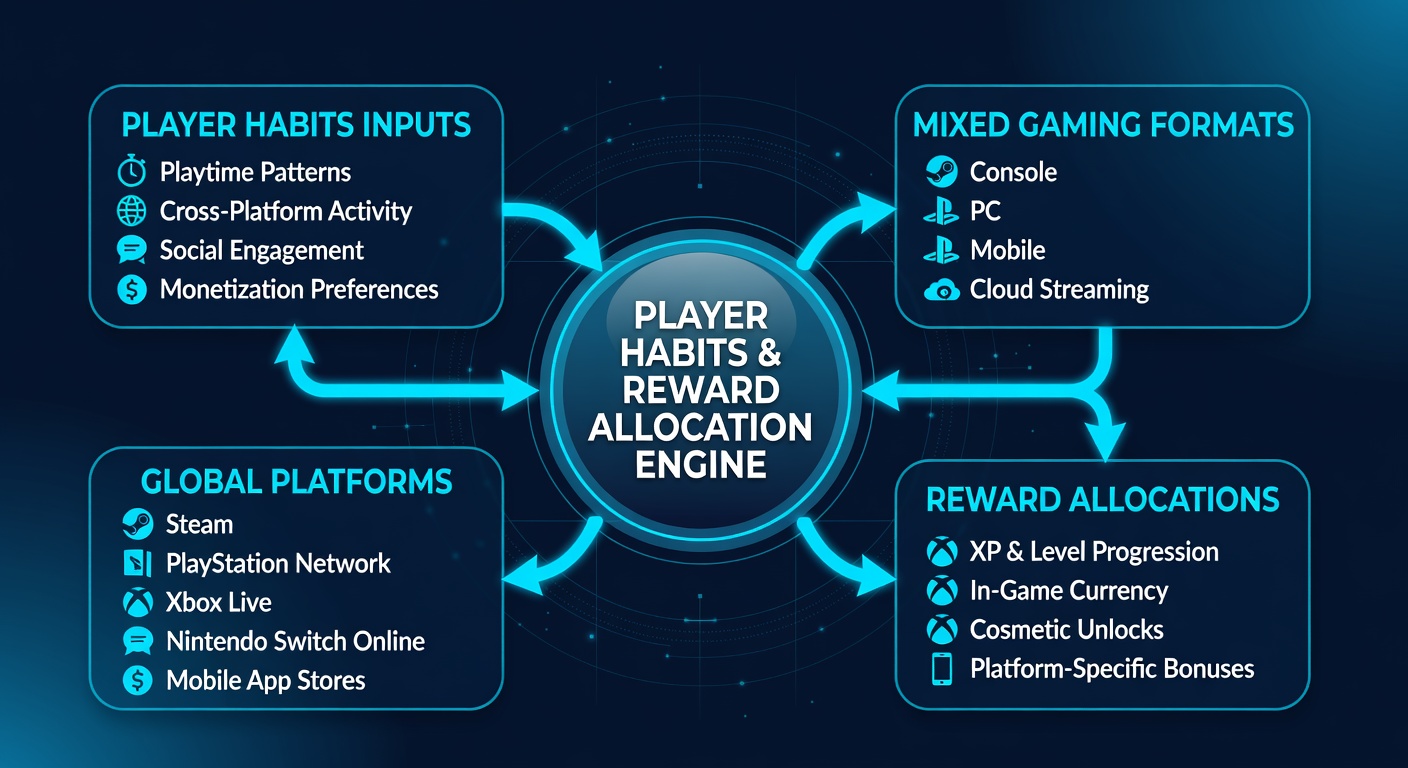
Player habits directly influence how platforms distribute rewards in mixed gaming environments that combine slots, table games, sports betting, and poker, while operating across multiple international markets. Data collected from user sessions reveals patterns in login frequency, game selection sequences, and spending thresholds that operators use to calibrate loyalty points, cashback percentages, and personalized promotions. These allocations adjust in real time as algorithms detect shifts in individual behavior, such as increased play during evening hours or switches between high-volatility slots and low-stakes table games.
Tracking Behavioral Signals Across Formats
Platforms monitor metrics including average session duration, game-type transitions, and deposit intervals to segment users into reward tiers. Someone who alternates between sports wagers and live dealer tables often receives different point multipliers compared with a user focused solely on progressive jackpot slots, because the data shows distinct retention curves for each activity. In mixed-format sites, cross-play bonuses emerge when systems register consecutive sessions in unrelated categories, encouraging broader engagement without requiring separate accounts.
Regional regulations shape which signals operators may legally record and apply to reward calculations. Canadian provincial frameworks, for instance, require explicit consent for behavioral tracking, whereas certain Asian markets permit broader data aggregation provided responsible-gaming disclosures appear at account creation. These differences create varied reward structures even when the underlying player habits remain similar.
Global Platform Adaptations in June 2026
By June 2026, several operators had integrated new machine-learning models that factor in multi-device usage patterns, allowing rewards earned on desktop poker to transfer seamlessly to mobile sportsbooks. Figures released that month indicated a 14 percent rise in cross-format reward redemptions following these updates, particularly among users whose session logs showed habitual movement between time-zone adjusted tournaments and live betting markets. Such adjustments reflect aggregated data rather than individual targeting, preserving compliance across jurisdictions.
Allocation Mechanisms and Loyalty Structures
Reward systems typically operate on tiered models where points accumulate according to wager volume weighted by game category. High-frequency players who maintain consistent daily deposits trigger automatic upgrades to VIP levels that unlock higher cashback rates and exclusive event invitations. Conversely, sporadic users receive time-limited reload offers calibrated to their last activity date, a tactic shown to improve reactivation rates in longitudinal platform studies.
External research from the American Gaming Association highlights how sports bettors who place in-play wagers at regular intervals receive different allocation formulas than those who favor pre-match accumulators, because retention data differs markedly between the two groups. Similar differentiation appears in poker ecosystems, where sit-and-go specialists accumulate rewards faster than cash-game regulars when platforms apply volume-based multipliers derived from historical rake contributions.
Regional Variations in Reward Calibration
Australian market operators adjust reward velocity according to local responsible-gaming codes that cap bonus values relative to verified play history. Reports compiled by the Australian Communications and Media Authority demonstrate that players exhibiting rapid deposit escalation receive capped loyalty accruals until spending patterns stabilize. European platforms, operating under varying national rules, often tie reward allocations to verified age and location data, producing different point-to-prize conversion rates for users in Germany versus those in Spain.
Platforms serving multiple continents maintain separate reward pools to comply with these regional constraints while still responding to universal habit signals such as weekend activity spikes or preference shifts toward live casino streams. The result is a layered allocation system where global trends inform baseline multipliers and local regulations determine final delivery mechanisms.
Future Adjustments Driven by Habit Data
Ongoing analysis of player movement across formats continues to refine reward timing and value. When aggregated logs reveal growing interest in skill-based games alongside traditional slots, operators introduce hybrid promotions that award bonus spins convertible into tournament entries. These changes occur because the data shows improved lifetime value when rewards align with demonstrated format preferences rather than generic offers.
Conclusion
Player habits supply the primary input for reward allocation engines operating across mixed gaming formats and global platforms. Session patterns, format transitions, and regional compliance requirements together determine how points convert into tangible benefits. As data collection methods evolve, allocation precision increases while remaining anchored in observable behavior rather than static user categories.