Player Incentive Structures Across Card Rooms, Lottery Draws, and Exchange Platforms
Frankie Fischer · May 29, 2026

Player Incentive Structures Across Card Rooms, Lottery Draws, and Exchange Platforms
Virtual card rooms operate with incentive models built around rake structures and loyalty tiers, whereas lottery-style draws rely on jackpot scaling and ticket volume rewards, and competitive exchange platforms center on commission rebates plus liquidity bonuses, and data from industry reports show these differences shape player retention rates across each format. Researchers at various institutions track how these systems evolve, with updates noted through May 2026 reflecting shifts in player participation metrics.
Virtual Card Room Reward Systems
Operators in virtual card rooms typically calculate incentives based on hands played and rake contributed, which leads to tiered loyalty programs that unlock cashback percentages ranging from 10 to 40 percent depending on volume, and this structure encourages consistent play over extended sessions. Data from multiple platforms indicate that rakeback programs contribute significantly to overall player earnings, while freerolls and satellite entries add another layer that rewards skill progression rather than pure chance. Observers note that these incentives often tie directly to table stakes and game variants, creating differentiated paths for cash game specialists versus tournament participants.
Lottery-Style Draw Mechanics
Lottery-style draws distribute incentives through progressive jackpots and secondary prize pools, where ticket purchases accumulate toward larger payouts that reset after wins, and this model attracts players seeking high-variance outcomes with minimal ongoing commitment. Figures from regulatory filings reveal that rollover requirements on matched deposits in these environments often reach 30 to 60 times, yet bonus funds tied to draw entries frequently convert at higher rates when players hit mid-tier prizes. Those who analyze participation trends point out that seasonal promotions during peak months boost volume, whereas standard draws maintain steady engagement through syndication options that spread costs across groups.
Competitive Exchange Platform Rewards
Exchange platforms emphasize incentives around matched betting liquidity and commission reductions, where users who provide market depth receive rebates that can reach 5 percent on losing bets, and this setup rewards both backers and layers differently than fixed-odds environments. Research from academic sources shows that volume-based bonuses scale with monthly turnover, encouraging high-frequency traders to maintain positions across multiple events simultaneously. What's interesting is how these platforms integrate loyalty points that convert into fee discounts, creating a feedback loop that strengthens market efficiency while retaining active participants.
Comparative Mapping of Incentives
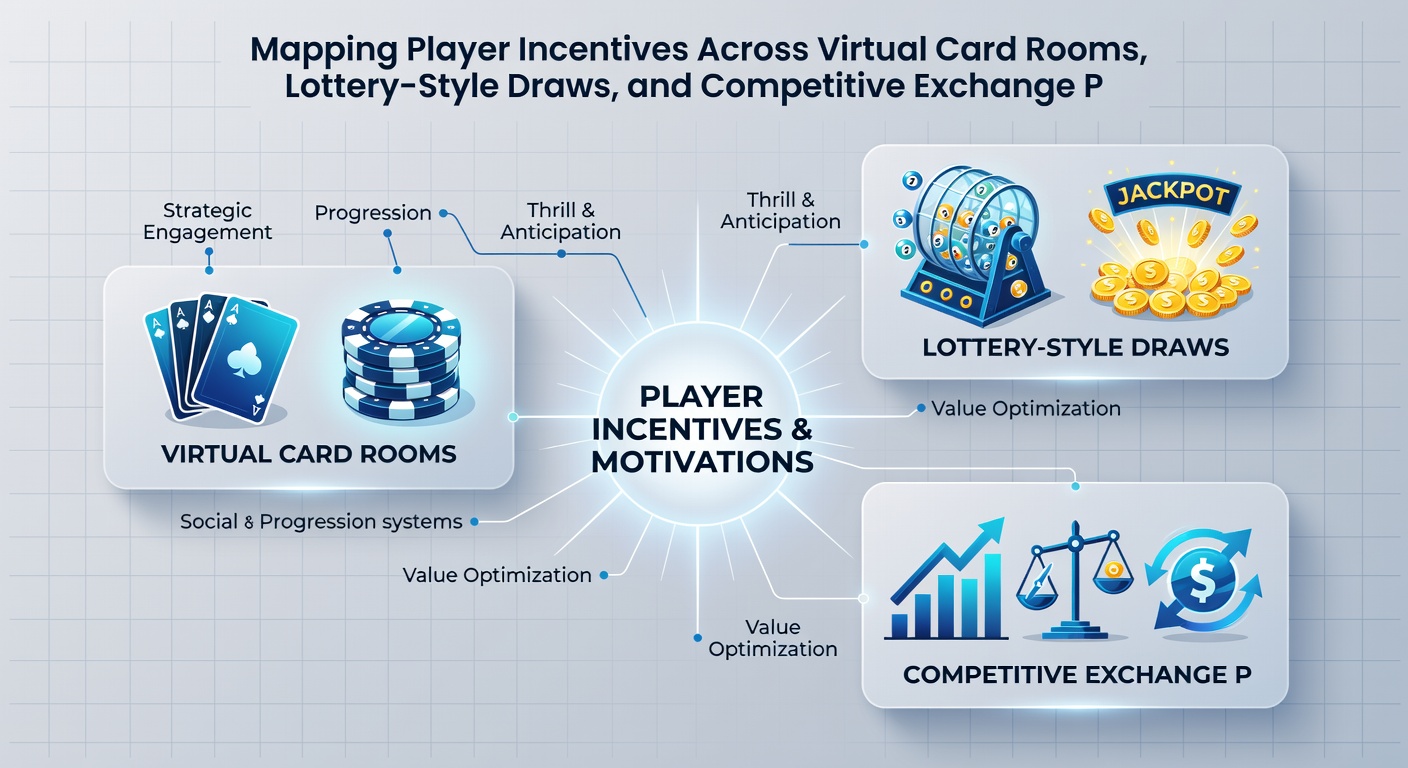
Mapping reveals clear divergences: card rooms prioritize time-on-site metrics through rake contributions, lottery draws focus on entry frequency and jackpot thresholds, and exchanges reward market-making activity with commission relief, yet overlaps exist in the form of referral programs that pay across all three categories. According to reports from the Nevada Gaming Control Board, cross-platform operators adjust these models based on regional regulations, which affects how bonuses apply to different player segments. Studies from European research centers further indicate that hybrid players who move between formats respond best to unified loyalty currencies that transfer value without conversion losses.
Additional patterns emerge when examining geographic variations, with North American platforms leaning toward deposit-match structures in card rooms while Australian operators emphasize lottery syndicates with volume discounts, and Canadian exchanges highlight liquidity incentives to build depth in niche markets. Those who've examined transaction data note that incentive effectiveness peaks when rewards align with session length, since shorter lottery engagements contrast with prolonged card room activity or rapid exchange trades.
Conclusion
Overall, the mapping of player incentives across these platforms demonstrates distinct mechanisms tailored to each format's core mechanics, from rake-driven loyalty in card rooms to jackpot scaling in draws and commission rebates in exchanges, and continued monitoring through regulatory and academic channels will track how these evolve with new participation data.