Player Incentive Structures on Backgammon Platforms: Examining Reward Mechanisms in Skill-Based Environments
Tina Schmid · Jun 26, 2026
Player Incentive Structures on Backgammon Platforms: Examining Reward Mechanisms in Skill-Based Environments
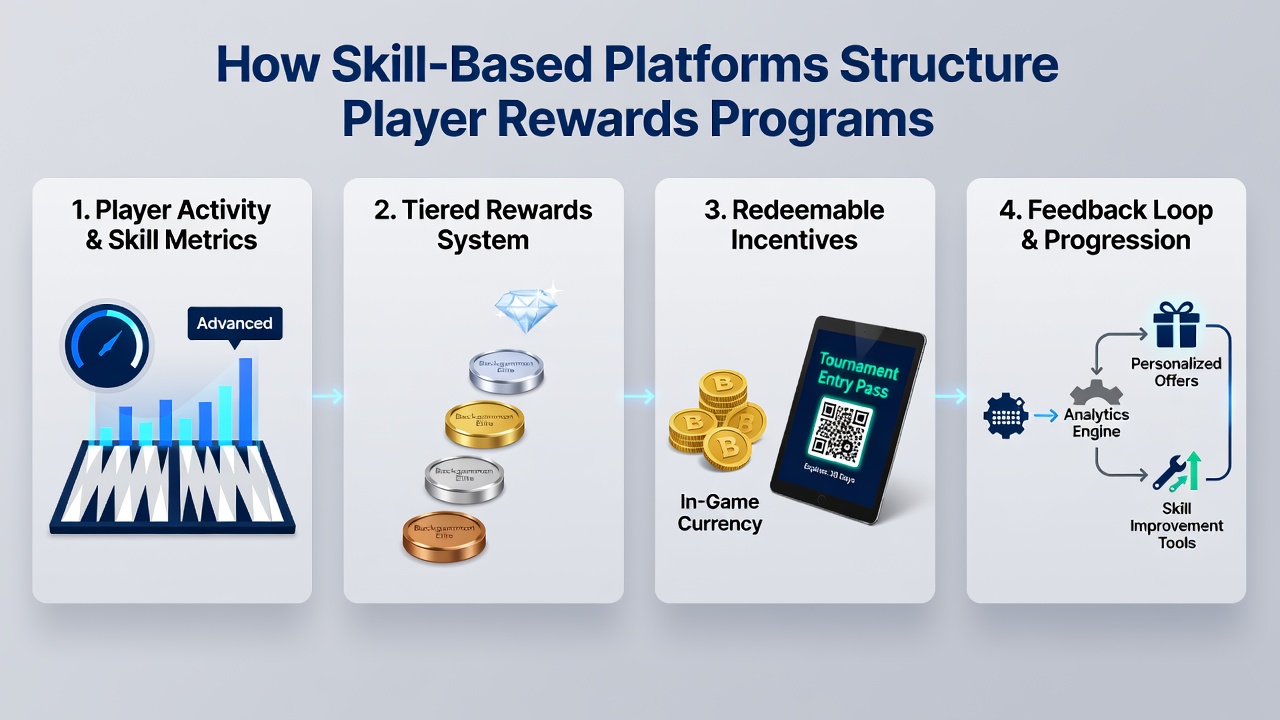
Skill-based platforms that feature backgammon operate reward programs designed around consistent player participation and performance metrics rather than random outcomes. These systems track elements such as games completed, win rates, and session duration to distribute points that convert into credits, tournament entries, or status upgrades. Observers note that the approach differs from chance-based models because rewards scale with demonstrated ability and volume of play, creating pathways that encourage repeated engagement across multiple skill tiers.
Platforms typically divide their structures into several layers that begin with entry-level sign-up incentives and progress to tiered loyalty programs. New participants receive initial point allocations upon account verification and first deposit, while ongoing play generates additional earnings based on rake contributions or entry fees paid into cash games and tournaments. Data from industry reports shows that many sites implement progressive multipliers during peak hours or special events, allowing players to accumulate points at accelerated rates when activity levels rise.
Core Components of Reward Allocation
Backgammon sites calculate rewards using algorithms that weigh both quantitative play data and qualitative performance indicators. Points accrue from each match completed, with bonuses awarded for achieving win streaks or maintaining high ratings within the platform's matchmaking system. Those who've studied retention patterns observe that weekly leaderboards distribute extra incentives to top performers, fostering competition while distributing smaller consolation rewards to broader participant groups to sustain overall activity.
Seasonal promotions often align with calendar milestones, including adjustments made in June 2026 when several platforms introduced updated tracking tools to comply with emerging data privacy standards across multiple jurisdictions. These updates refined how player statistics feed into reward calculations without altering the fundamental structure of point distribution. External research from the American Gaming Association highlights that such refinements help maintain transparency in how metrics translate to tangible benefits.
Tier Progression and Status Benefits
Loyalty tiers form the backbone of long-term engagement strategies on these platforms. Participants advance through levels by meeting cumulative point thresholds, unlocking benefits that range from reduced rake percentages to exclusive tournament access and personalized support channels. Advancement occurs automatically once thresholds are reached, though some sites allow players to accelerate progress through targeted challenges that test specific skills like defensive play or endgame precision.
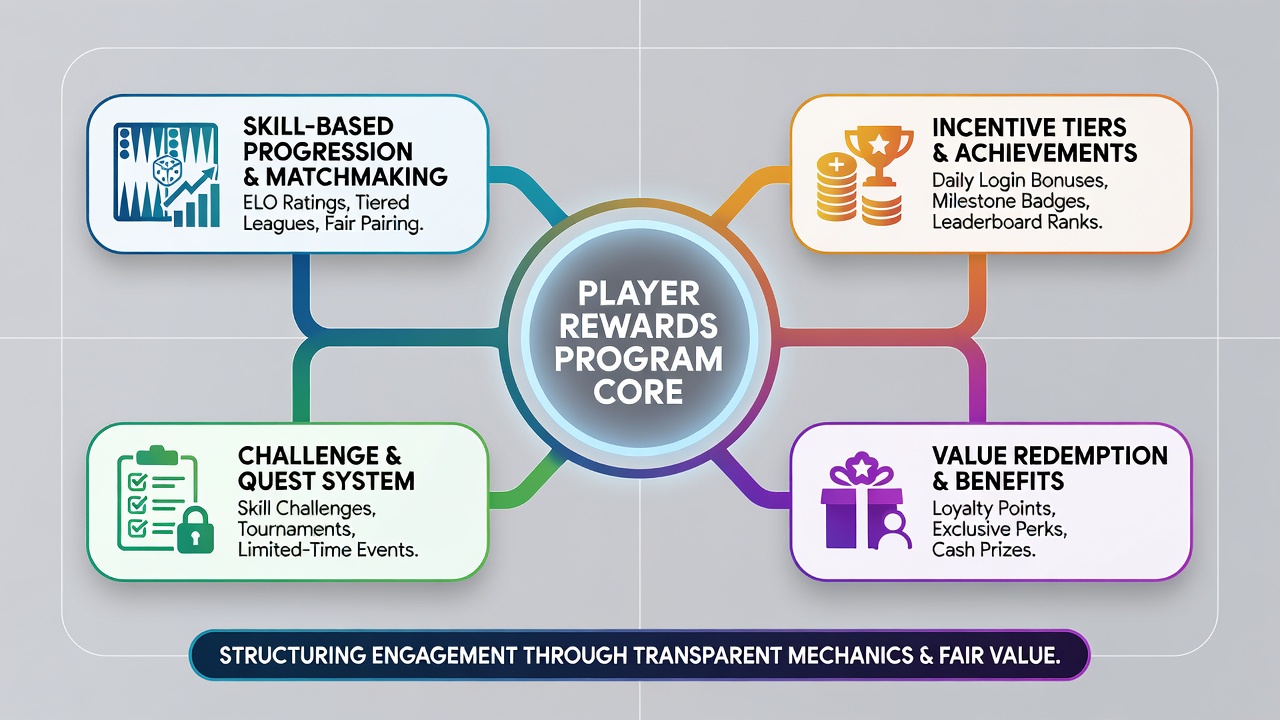
High-tier members gain access to private tables with higher stakes limits alongside custom avatars and profile features that signal status within the community. Figures from the European Gaming and Betting Association indicate that tiered structures contribute to extended player lifecycles by offering incremental value that scales with demonstrated commitment. Platforms also incorporate milestone rewards at fixed intervals, such as annual play anniversaries, which deliver lump-sum bonuses independent of current tier standing.
Integration of Tournaments and Special Events
Tournaments serve as concentrated reward vehicles where entry fees generate prize pools supplemented by platform contributions. Backgammon sites structure these events with satellite qualifiers that feed into larger main events, allowing lower-stakes players to earn advancement through performance rather than direct purchases. Points earned during tournament play often carry over into the main loyalty system, creating dual pathways for accumulation that reward both consistent grinders and occasional high performers.
Special events tied to holidays or platform anniversaries introduce limited-time multipliers and unique badges that confer temporary advantages in future matches. These additions integrate with existing point systems without disrupting core mechanics, ensuring that regular play remains the primary driver of long-term rewards. Research indicates that diversified event formats help platforms reach different player segments simultaneously.
Conclusion
Backgammon platforms construct their player rewards programs around measurable skill indicators and participation volume, resulting in layered systems that combine base point accrual with tiered status upgrades and event-based opportunities. These mechanisms operate continuously, adapting to regulatory shifts such as those noted in June 2026 while maintaining focus on performance-driven incentives. The overall design supports sustained activity by aligning rewards directly with player development and engagement patterns across global user bases.