The Role of Data Analytics in Tailoring Rewards for Poker Rooms, Bingo Halls, and Betting Markets
Noah Hansen · Jul 24, 2026
The Role of Data Analytics in Tailoring Rewards for Poker Rooms, Bingo Halls, and Betting Markets
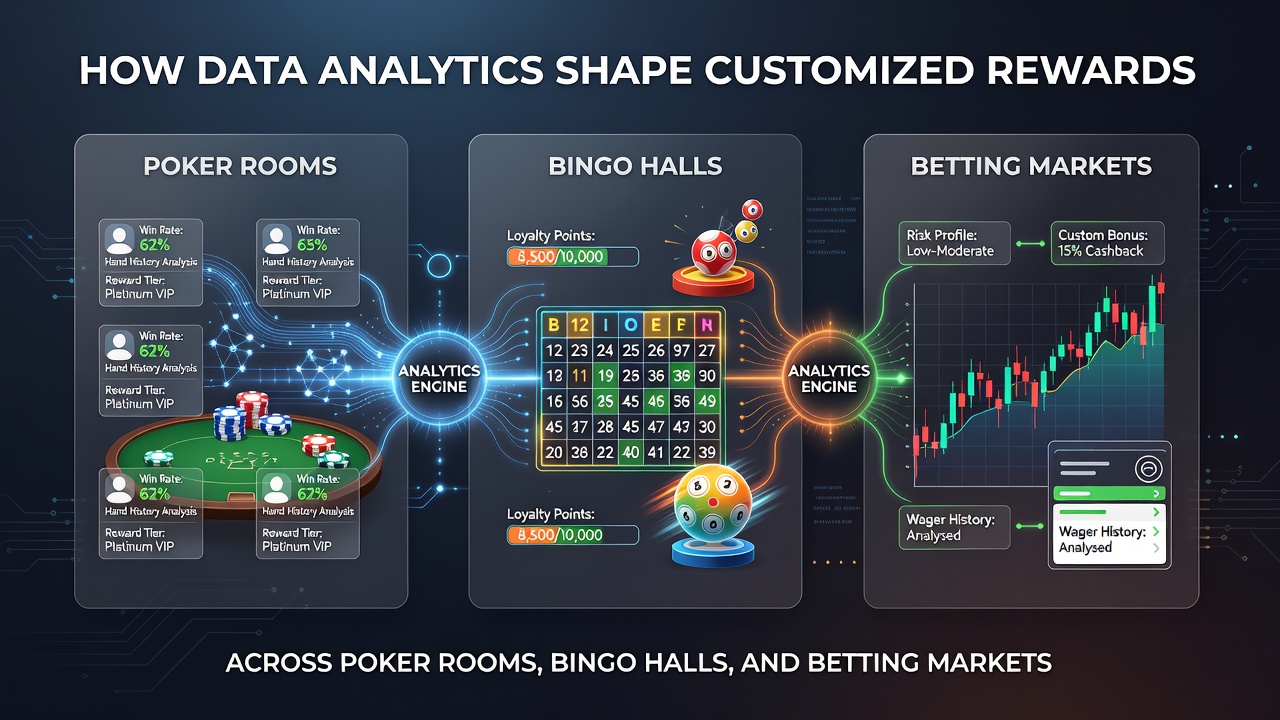
Data analytics has become central to how operators in poker rooms, bingo halls, and betting markets develop and deliver customized rewards, with systems that track player behavior in real time and adjust offers based on patterns observed across large datasets. In July 2026, industry reports showed continued growth in these applications as venues integrated more sophisticated tools to segment audiences and predict engagement levels. Researchers have noted that such approaches rely on variables including session duration, game selection, and betting frequency to generate targeted incentives that differ from one participant to another.
Poker Room Implementations
Poker operators collect detailed hand histories and table time statistics, then apply algorithms that identify consistent players versus occasional visitors. This information feeds into loyalty structures where rewards like tournament entries or cashback percentages scale according to individual volume and style of play. Observers note that platforms often combine these metrics with demographic details to create tiered programs, and those who study the sector point to examples where high-frequency participants receive invitations to exclusive events while lower-volume players see smaller, more frequent bonuses. Data from regulatory filings indicates that such segmentation has expanded since earlier tracking methods, allowing venues to allocate marketing resources more precisely.
Bingo Hall Applications
Bingo facilities use analytics to monitor participation across sessions and track which game variants draw repeat attendance. Patterns in number purchases, session timing, and prize claims help shape rewards such as free cards or multiplier bonuses that activate during specific hours. Those who've examined these operations report that operators adjust offers based on group versus individual play data, creating promotions that encourage longer stays or higher ticket volumes for particular demographics. Evidence from industry analyses shows these methods have helped halls maintain engagement levels even as player preferences shift toward digital alternatives.
Betting Market Developments
Betting platforms gather information on wager types, odds selections, and deposit patterns to customize cashback, free bets, and loyalty points. Algorithms process this data to predict which users respond to certain promotions, then deliver tailored offers through mobile notifications or account dashboards. Figures from regulatory sources reveal that markets in multiple regions have adopted these techniques at scale, with adjustments made according to regional preferences and risk profiles. One study revealed that participants who place frequent smaller bets often receive different reward structures than those who favor larger, less frequent wagers.
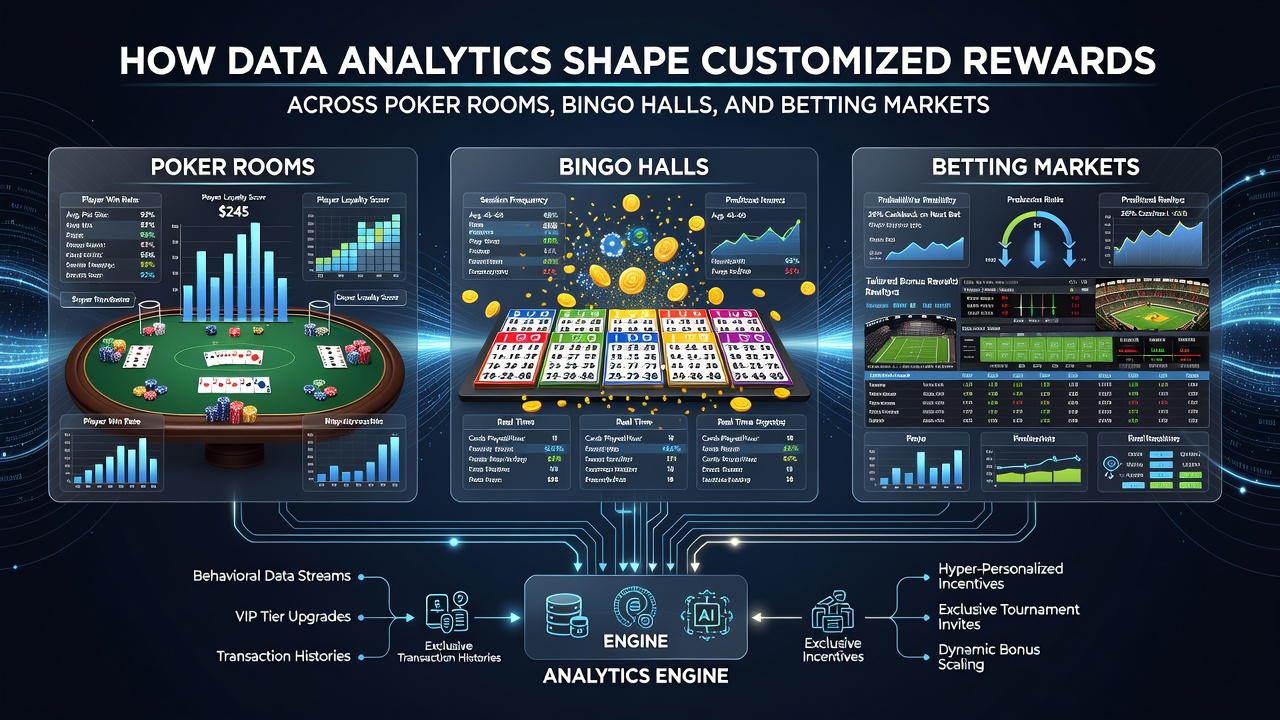
What's interesting is how these systems integrate across channels, allowing a single operator to link activity from poker tables to sports wagers when users participate in multiple products. Data indicates that cross-category tracking helps refine reward timing and value, reducing overlap while increasing perceived relevance. According to reports from the Nevada Gaming Control Board, operators in that jurisdiction have expanded their use of behavioral data to meet compliance requirements while still delivering varied incentives.
Regulatory and Technical Context
Government agencies across regions require transparency in how data informs rewards, and this has prompted operators to maintain clear records of their analytics processes. The Australian Communications and Media Authority has published guidelines that address data handling in gambling promotions, influencing how betting markets structure their personalization efforts. Academic research from institutions such as the University of Nevada, Las Vegas, has examined the accuracy of predictive models used in these environments, finding that refined datasets lead to more consistent reward delivery over time.
Operators continue to refine these tools as new data sources emerge, including real-time location information and device usage patterns. Those who track industry trends observe that the combination of regulatory oversight and technological capability has produced reward systems that adapt more rapidly than earlier static programs. Evidence suggests that venues balancing data-driven customization with standard compliance practices maintain broader participant bases across poker, bingo, and betting products.
Conclusion
Analytics now underpin reward customization in poker rooms, bingo halls, and betting markets through systematic collection and application of player data. Regulatory bodies and research institutions provide frameworks that guide these practices, while operators apply the resulting insights to segment audiences and time offers. As of July 2026, the approach remains focused on measurable patterns that connect individual behavior to specific incentives across these distinct gaming formats.